





In 2025, a growing number of people are experiencing a strange financial reality. Salaries have increased, promotions have happened, and income figures look better than before. Yet, everyday life feels more expensive. From groceries and rent to basic services and small comforts, expenses seem to consume income faster than expected. This feeling is widespread, and it has clear reasons behind it.
Table Of Content
- Salary Hikes Are Not Keeping Up With Real Inflation
- Invisible Inflation Is Quietly Draining Money
- Lifestyle Inflation Raises the Cost of “Normal” Living
- Subscriptions Have Become the New Monthly Burden
- Rising Rent Is One of the Biggest Pressure Points
- Convenience Now Comes at a Premium
- Social Media Has Changed Spending Expectations
- Emotional Spending Is Increasing in 2025
- Why the Middle Class Feels the Most Pressure
- The Real Reason Everything Feels Expensive in 2025
- Conclusion
Salary Hikes Are Not Keeping Up With Real Inflation
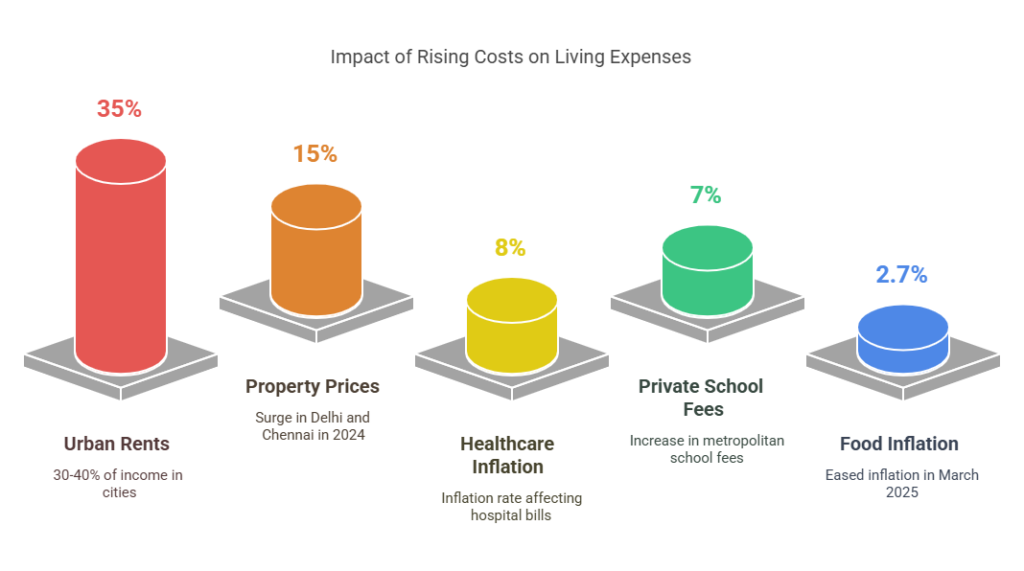
While salary increments have continued in 2025, they have not matched the true rise in living costs. Most hikes fall between 6–10%, but the prices of essentials such as food, transportation, healthcare, education, and housing have increased at a much faster pace. This gap means that even though people earn more, their purchasing power is actually declining. The result is financial stress despite higher income.
Invisible Inflation Is Quietly Draining Money
Inflation today is not always obvious. In many cases, it appears in subtle ways. Product sizes are reduced without lowering prices. Service providers add platform fees, convenience charges, or processing costs. Digital subscriptions quietly revise pricing. These changes may seem small individually, but together they slowly eat into monthly budgets. This form of invisible inflation makes expenses feel heavier without a clear explanation.
Lifestyle Inflation Raises the Cost of “Normal” Living
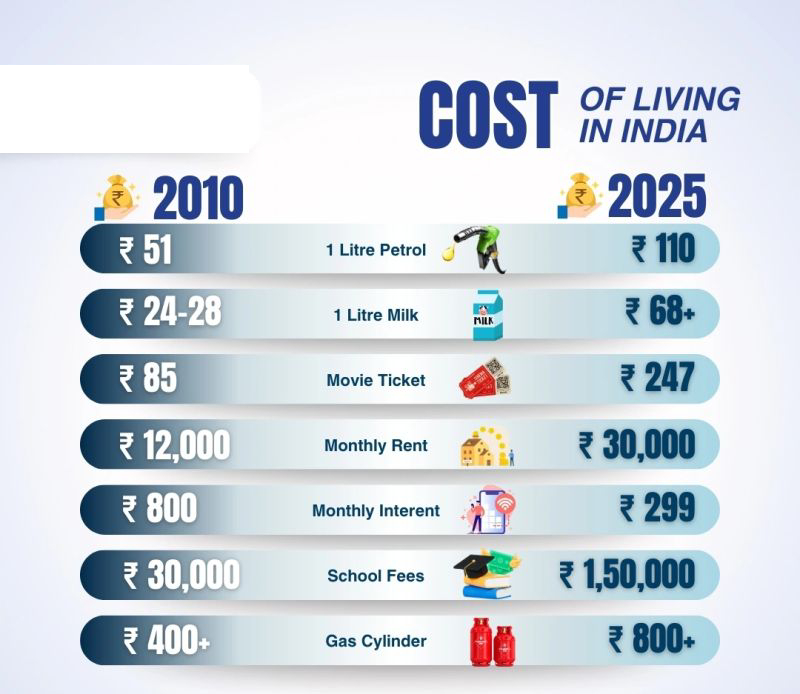
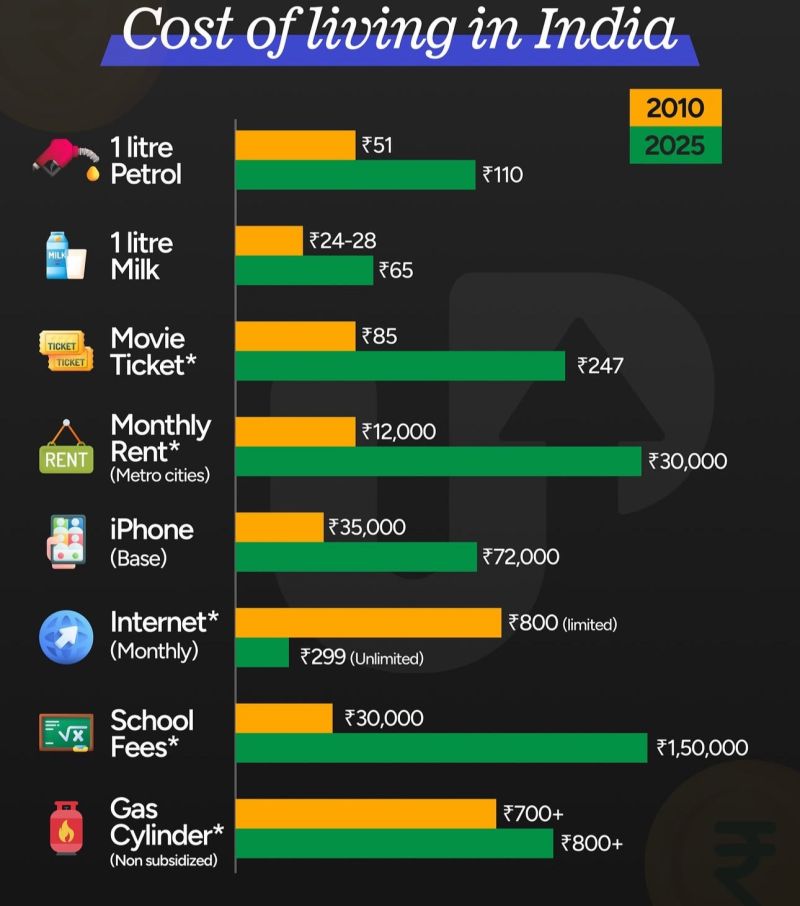
As income grows, expectations naturally change. People upgrade their phones, move to better homes, choose higher-quality food, and spend more on convenience. These upgrades do not feel excessive; they feel necessary and reasonable. However, once lifestyle improvements become routine, the baseline cost of living increases permanently. This makes it difficult to feel financially comfortable, even with a higher salary.
Subscriptions Have Become the New Monthly Burden
In 2025, many essential and non-essential services operate on subscription models. Entertainment platforms, music apps, cloud storage, productivity tools, fitness services, and delivery memberships all require recurring payments. Because these costs are spread across multiple services, they often go unnoticed. Over time, subscriptions form a significant fixed expense that reduces disposable income every month.
Rising Rent Is One of the Biggest Pressure Points
Housing costs have increased sharply in many urban and semi-urban areas. Rent now consumes a large portion of monthly income for many households. Factors such as urban migration, limited housing supply, and higher demand have pushed rental prices upward. Salary growth has struggled to keep pace with rent inflation, making housing one of the main reasons people feel financially stretched.
Convenience Now Comes at a Premium
Modern life values speed and ease. Food delivery, app-based transport, instant services, and same-day shipping save time but cost more. What was once an occasional convenience has become a daily habit. Over time, paying for convenience adds a hidden premium to everyday life, increasing monthly expenses without feeling like luxury spending.
Social Media Has Changed Spending Expectations
Constant exposure to social media has shifted perceptions of what is considered normal. Travel, dining out, gadgets, and lifestyle upgrades appear common and expected. Even without direct comparison, people subconsciously adjust their standards. This makes ordinary living feel more expensive, as expectations rise faster than income.
Emotional Spending Is Increasing in 2025
Financial pressure is not just practical; it is emotional. Stress, uncertainty, and mental fatigue make small comforts feel necessary. Many purchases today are driven by the need for relief rather than indulgence. While understandable, emotional spending adds to overall expenses and contributes to the feeling that money disappears quickly.
Why the Middle Class Feels the Most Pressure
Middle-income salaried professionals are affected the most by rising costs. They earn enough to manage daily expenses but not enough to stay ahead of inflation. Without large assets or passive income, they feel constant pressure to balance rising costs with limited financial flexibility.
The Real Reason Everything Feels Expensive in 2025
The core issue is not poor money management or lack of income growth. It is the fact that the cost of maintaining a stable, normal lifestyle has increased faster than salaries. This imbalance creates frustration, anxiety, and a sense of falling behind, even among financially responsible individuals.
Conclusion
2025 is not just about inflation; it is about financial pressure becoming the new normal. Understanding this shift helps remove self-blame and confusion. When everything feels expensive despite earning more, it is often a reflection of broader economic changes rather than personal failure.
Recognizing this reality is the first step toward making more informed financial decisions and navigating modern life with clarity.